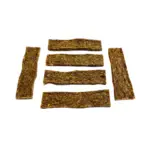
Allergies in dogs are a common problem that can take various forms, from food allergies to reactions to environmental factors. Symptoms range from skin irritations to digestive issues and respiratory difficulties, depending on the allergy. Recognizing the signs of allergies is crucial to providing your dog with the necessary treatment. With proper care and, if necessary, support from supplements, a dog with allergies can lead a healthy and happy life.
Allergy support for dogs from Dog Optimal
Already 7,500+ Owners & Wagging Dogs in the Netherlands & Belgium
Allergy Support | 120 pieces
Thousands of dogs experience allergic reactions related to environmental, food, skin, and seasonal allergies. These allergies can manifest as, among other things: excessive scratching due to extreme itching, irritated eyes, frequent sneezing, and reduced immunity.
Relief of allergies
Supports the immune system
Relieves allergy symptoms
“A really great product to ensure my still-young dog can live a healthy life! A natural product without additives that helps the dog! “
Symptoms of allergy in dogs
Allergies in dogs can present with various symptoms, depending on the cause and the severity of the reaction. Some common symptoms include:
Itching: Intense scratching, licking, or biting at the skin, especially around the legs, ears, and belly.
Skin problems: Redness, rash, scaly or crusty patches on the skin.
Digestive problems: Diarrhea, vomiting, or frequent intestinal gas can indicate a food allergy in a dog.
Sneezing fits and runny nose: Especially with allergies to environmental factors such as pollen or dust.
Ear infections: Recurring ear infections or constantly shaking the head.
Changes in the coat: Dull coat or hair loss as a result of persistent scratching and licking.
Recognizing these allergy symptoms is crucial for a timely diagnosis and treatment, to improve your dog’s health.
Most common allergies in dogs
Three main types of allergies are most common in dogs:
Food allergies: Reactions to certain ingredients in their food, such as beef, chicken, dairy, or grains. Allergy symptoms in dogs include itching, gastrointestinal upset, and sometimes respiratory problems.
Flea allergy dermatitis (FAD): A severe allergic reaction to flea saliva , even after a single bite. This causes severe itching, skin inflammation, and hair loss, especially at the base of the tail.
Atopic dermatitis: Allergy to environmental factors such as pollen, mold, dust mites, or feathers. Allergy symptoms in dogs include chronic itching, red skin, and ear infections.
Each of these allergies requires a specific approach for diagnosis and treatment.
Itching in dogs: a common symptom of allergies
Itching in dogs is a recognized sign of allergy and can have a significant impact on their well-being. This itching occurs when the dog’s immune system overreacts to certain allergens. This can range from food ingredients and flea or tick bites to environmental factors. The skin reacts to these allergens by becoming irritated, leading to a constant urge to scratch or lick. This reaction can occur at any time and often worsens depending on exposure to the specific allergen. Effective allergy management is essential to reduce discomfort and prevent secondary skin infections caused by constant irritation.
Effective ways to relieve allergy itching
To effectively relieve allergy itching in a dog, the following tips can help:
Frequent bathing helps remove allergens from the skin and soothe irritation.
Switch to a diet that minimizes food allergies and supports your dog’s skin health.
These measures can significantly reduce itching, contributing to a more comfortable and happier life for your dog.
Impact of food allergy on your dog’s skin health
Food allergies in dogs, particularly those affecting the skin, can lead to discomfort and health problems. If a dog has an allergic reaction to specific food ingredients, such as proteins or grains, this can cause symptoms such as itching, redness, and skin inflammation. These reactions often lead to constant scratching, licking, and biting at the irritated areas, which increases the risk of secondary skin infections. Prolonged exposure to the food allergy without treatment can even lead to chronic skin conditions in your dog.
Allergy Support from Dog Optimal: natural support
Dog Optimal ’s Allergy Support offers natural support for dogs with allergies. Formulated with carefully selected ingredients, the supplement relieves symptoms such as skin irritation and itching. By supporting healthy skin and coat and strengthening the dog’s immune system, it can reduce sensitivity to allergens. Allergy Support enables dog owners to help their four-legged friends live more comfortably, despite allergies.
Frequently asked questions about allergies in dogs
You can recognize allergies in dogs by symptoms such as itching and skin irritations, red or inflamed skin, hair loss, constant licking or biting of certain body parts, sneezing, watery eyes, and digestive problems such as vomiting or diarrhea.
For environmental allergies, it is important to minimize exposure to allergens. This may involve: regular baths with hypoallergenic shampoo, using air purifiers, choosing fragrance-free detergents, and possibly using anti-allergy medication or supplements such as Allergy Support.
Yes, natural remedies such as fish oil, coconut oil, probiotics, and herbs like nettle and marigold can relieve allergies. However, they must always be used under the supervision of a veterinarian for safety.
A change in diet can be helpful for dogs with food allergies. Elimination diets help identify food allergens by gradually removing potential triggers or replacing them with hypoallergenic alternatives.
To effectively manage allergies in dogs, the first step is to identify the specific allergens with the help of a veterinarian. Depending on the allergy, you adjust the dog’s living environment and consider prescribed medication or supplements.